


£500 million from Whitehall, a 58% jump in TSMC profit and a backlog shock at NIST told the story of the week. B2B tech was less interested in shiny product launches than in who controls the infrastructure, who can secure it and which vendors still look dependable once buyers start asking harder questions. Britain tried to turn sovereign AI into industrial policy, TSMC reminded the market where the money is really settling, and NIST showed what happens when the plumbing under modern security work starts to buckle. Around those three anchors sat the same pressure test in different forms: Cerebras asking public investors to buy into the infrastructure boom, Vercel discovering how fast trust can unravel in a toolchain, and enterprise software groups learning that agentic AI still gets judged less on demo quality than on governance, cost control and the ability to survive procurement scrutiny.
That same argument showed up in influencer discussions around energy-efficient AI inference. Craig S. Smith had the cleanest line of the week, "Inference is now the biggest challenge in enterprise AI," and it cut through because it matched the news cycle so closely. Daniel Newman kept pulling the conversation back to the economics of the stack, while Austin Lyons framed the moment as a multi-silicon era in which buyers can no longer assume one chip path, one cost curve or one infrastructure winner. The broader discussion was not really about model novelty at all. It was about inference cost, hardware mix, operational discipline and the growing gap between what AI vendors promise and what enterprise teams can roll out without creating a new risk problem. By the end of the week, that thread was also visible in what Nathaniel Whittemore and Sam Charrington were saying about deployment, and in the sharper split between alarm and scepticism from Harry Stebbings and Gary Marcus. The names changed, but the question did not: who can make AI useful without making the operating model worse?
Britain puts £500 million behind sovereign AI, and the market still wants proof

Britain put £500 million behind a new sovereign AI fund and named seven startups in the first batch, with Tech Monitor breaking down the launch mechanics and UKTN reporting the first Callosum investment. The package felt more concrete than the average government AI launch because it combined money with compute access, visas and procurement language, which is exactly why the market took it seriously enough to start pushing back.
The scepticism arrived just as fast. You could see it in IT Brief UK leaning into the doubts around scale and even more clearly in PitchBook arguing the deeper structural problems remain. For B2B buyers that matters because sovereignty only becomes valuable when it changes hosting choices, supplier risk and compliance posture. Until then it is branding with a flag attached.
Banks did not treat Mythos like hype, they treated it like an operational risk
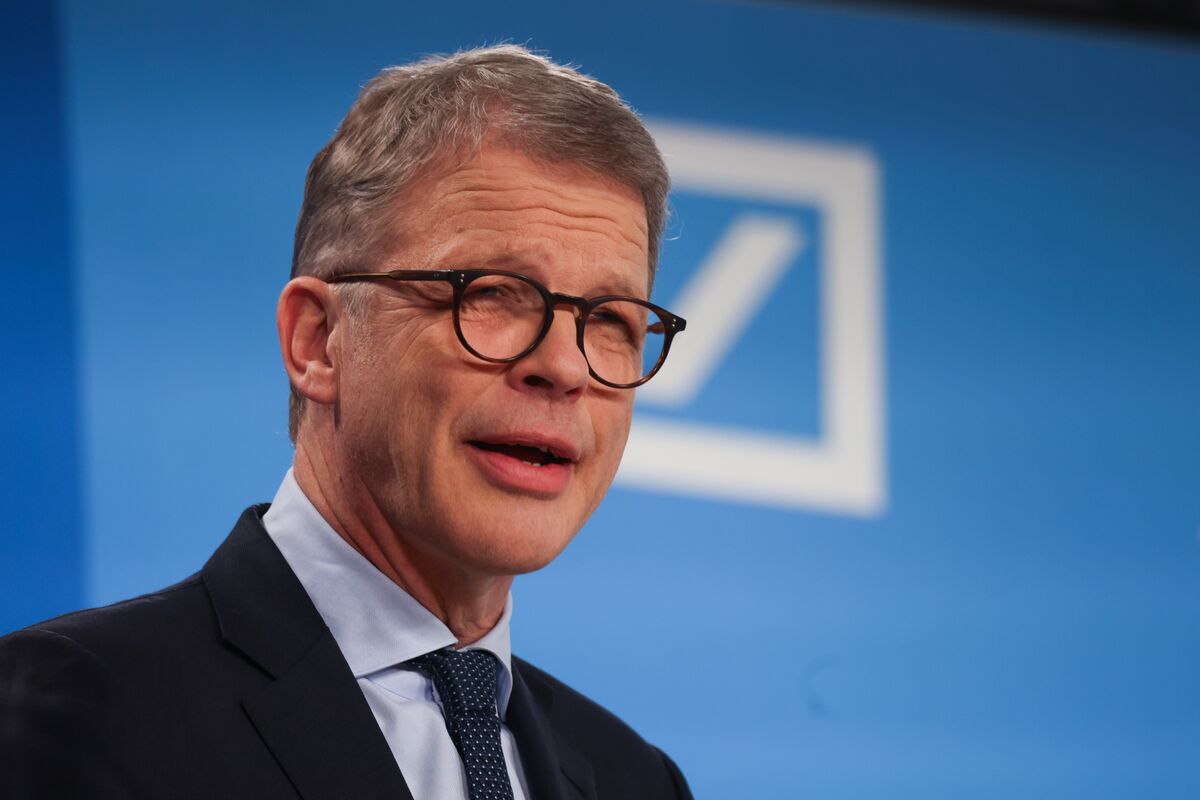
Mythos stopped looking like a laboratory curiosity this week and started looking like a banking risk meeting, with Reuters reporting that banks were already talking to European regulators and Bloomberg showing how quickly the issue reached the top of the banking stack. The important shift was not just that the model sounded powerful. It was that bankers, regulators and risk teams were already discussing containment, oversight and operational resilience before the wider enterprise market had even settled on the use case.
The story jumped the AI bubble quickly. The Decoder following the national-security implications and AI News tracking the White House and regulatory angle reinforced the sense that access to frontier models is becoming a state, security and governance question. Vendors building downstream from that stack now have less room for theatrical product language and far more pressure to explain limits in plain English.
TSMCs quarter made it harder to pretend compute is somebody else’s problem

TSMC’s latest quarter did more than flatter investors, it reminded the rest of the market where the AI boom still cashes out. The hard numbers were already there in Manufacturing Dive on the quarterly jump and EE Times on the spending required to keep up, and they left little room for the old fantasy that software can keep separating itself from the cost of the physical stack.
The wider follow-up took the point further. Supply Chain Digital linked the story to US expansion and SiliconANGLE tied the demand back to the data-centre build-out, framing the quarter as something bigger than one company on a good run. Foundries, tooling and power are still setting the tempo for everyone else. Buyers will notice it in pricing before vendors admit it in product strategy.
NISTs backlog crisis is now every security teams backlog problem
NIST’s vulnerability backlog stopped being an abstract security gripe this week. The old model is cracking, as BleepingComputer spelling out the end of blanket enrichment and Dark Reading on the effect for security teams made clear, because the volume of CVEs has simply outgrown the assumption that the National Vulnerability Database can keep enriching everything at the same pace.
The second-order effect is where the pressure really lands. Security Boulevard on the surge in submissions and The Hacker News on the shift to selective analysis showed how the market is shifting toward selective analysis based on risk and exploitation. That will be painful for teams already short on time, and even worse for vendors that still confuse alert volume with judgement.
Cerebras took the AI infrastructure boom to the public markets

Cerebras filed to go public with numbers big enough to drag the infrastructure trade back into view, as you could see in Tech Funding News on the revenue and valuation line and TechCrunch on why the filing matters now. Revenue growth and contracted demand were enough to make this feel like more than another AI filing. It read like a bet that public investors still think the best margins sit closest to scarce capacity.
That interpretation held up in DatacenterDynamics treating the filing as a capacity story and SiliconANGLE on the infrastructure appetite behind the numbers. The uncomfortable implication for the rest of the stack is obvious. When capital gathers around compute providers, everyone further up the chain starts negotiating with less leverage, even if they own the customer relationship.
The Vercel breach showed how fast trust can unravel in a toolchain
Vercel’s breach read like a case study in how trust leaks through a modern toolchain, with Computing tracing the route in through Context.ai and SecurityWeek on the customer-credential exposure laying out the route from a compromised Context.ai connection to a broader customer problem. The story landed because the chain of events felt familiar, not exotic.
The follow-on coverage pushed past the initial incident. The Register walked through the blast radius for customers, and Security Boulevard set out why convenience widened the problem, turning a single intrusion into a broader argument about toolchain trust. Buyers no longer hear “deep integration” as a pure feature story. They hear blast radius, privilege sprawl and secret handling. Vendors that cannot explain those things cleanly are selling into a much colder room than they were a year ago.
Agentic AI is running into the part the demos skipped, governance

Agentic AI hit the governance wall this week. The clearest signal came from Reuters on how agentic AI is reshaping where the spending lands and Security Boulevard on the controls finance teams still need, where the argument was not about whether agents can act, but about whether companies know how to supervise them once they do.
The more grounded reading was already doing the real work. Diginomica looked at deployment discipline inside a real business, while Insurance Business showed what happens when autonomy meets live risk. Buyers still want automation, but they want rollback, approvals and measurable value before they trust it with live work. A product that cannot answer those questions is still a demo, even if the category name has moved on.
What the influencers are discussing
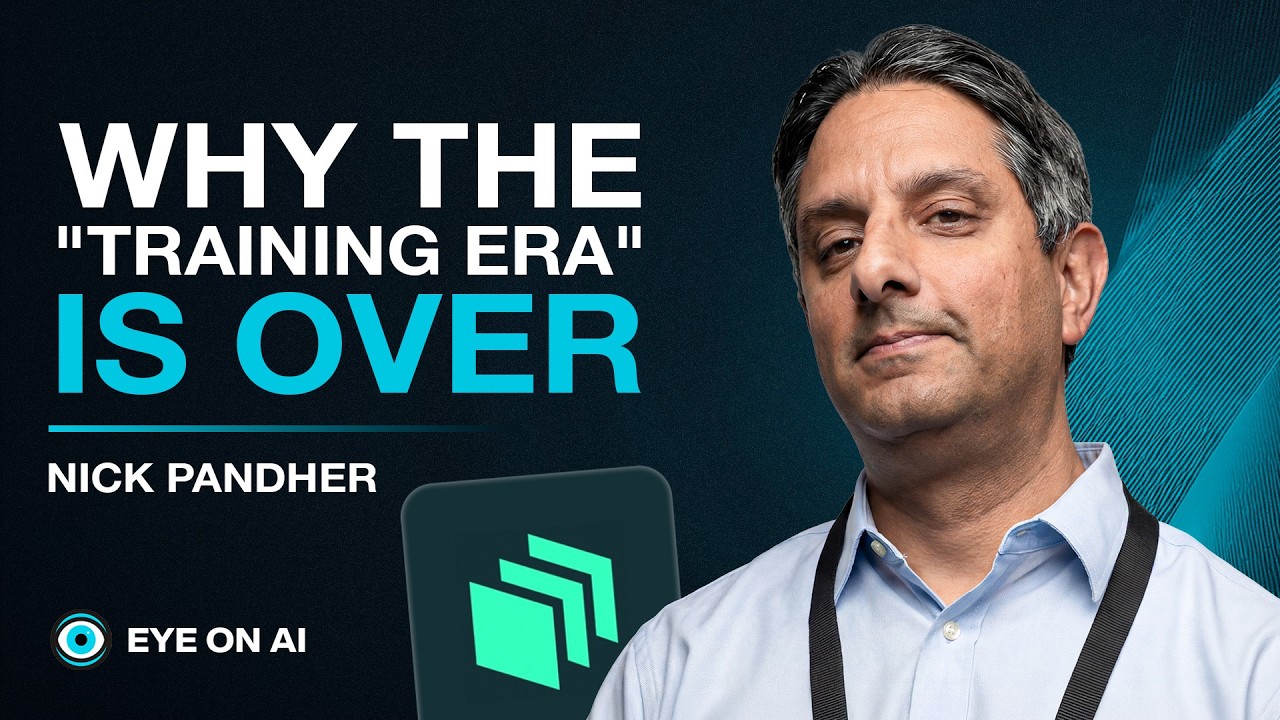
The influencer beat was richer this week because it did not just echo the news, it sharpened it. Craig S. Smith, through Eye on AI, played the role of translator between infrastructure specialists and the wider enterprise audience. When he said inference is now the biggest challenge in enterprise AI, he was not making a clever line for social media. He was naming the pressure point that linked Britain’s sovereign AI push, TSMC’s quarter and the wider debate about cost, control and deployment discipline. Daniel Newman added the market lens, folding OpenAI funding, Google efficiency gains and Nvidia’s grip on infrastructure into one argument about where leverage is accumulating. Austin Lyons then gave that same mood a sharper technical frame by writing about a multi-silicon era, which is a useful phrase because it tells buyers something very practical: planning around one hardware assumption now looks naive.
The second strand of discussion was about deployment discipline rather than silicon. Nathaniel Whittemore has a gift for making enterprise AI adoption sound like an organisational problem instead of a model race, and that is exactly where the market has moved. His point was that deployment is accelerating while trust, leadership judgement and organisational readiness are lagging behind. Sam Charrington pushed a similar line from a more technical angle by highlighting Capital One’s multi-agent work, which mattered because it treated agentic systems as operating infrastructure rather than magic. That distinction matters to B2B buyers. The current crop of agent vendors still likes to sell autonomy as if approval chains and rollback plans can be added later. The creators who cut through this week were the ones reminding the market that those details are the product.
The third strand was the split between panic and restraint around cyber risk. Harry Stebbings framed Mythos as a model too dangerous to release casually, which captured why the story leapt so quickly into banking and security discussions. Gary Marcus was valuable for the opposite reason. He pushed back against the rush to mythologise the model and warned against confusing dramatic claims with demonstrated impact. That tension is healthy. B2B tech buyers need both instincts at once: the urgency to treat new model capabilities as real operational risk, and the scepticism to demand evidence before they rewrite strategy around headlines. Taken together, the creator conversation was more useful than most vendor messaging this week. Less interested in awe, more interested in consequence.
The unresolved issue is not whether companies want more AI. They do. It is whether governments, banks, chip suppliers, software vendors and enterprise buyers can all get what they want at the same time. Right now they cannot. The most interesting part of the market has moved on from invention. It sits in the fight over control, cost and acceptable risk.
References
- (Tech Monitor, "UK announces Sovereign AI fund to fast-track domestic AI startups")
- (IT Brief UK, "UK launches GBP £500m sovereign AI fund amid doubts")
- (UKTN, "First investment from the UK’s £500m Sovereign AI Fund announced")
- (PitchBook, "UK sovereign AI fund offers startups a boost, but VCs say deeper problems remain")
- (Bloomberg Technology, "German Banks Aren’t Panicking Over Mythos AI Threat, Sewing Says")
- (Reuters Technology, "Banks in close contact with European regulator on Anthropic's Mythos, banker says")
- (The Decoder, "The NSA is using Anthropic's most powerful AI model Mythos")
- (AI News, "Anthropic walks into the White House and Mythos is the reason Washington let it in")
- (Supply Chain Digital, "TSMC’s US$165bn US Expansion Reshapes Global Chip Supply")
- (EE Times, "TSMC Chases Soaring AI Demand")
- (Manufacturing Dive, "TSMC posts Q1 revenue surge of 40.6% YoY")
- (Silicon Angle, "Data center, consumer device chips boost TSMC’s first quarter revenue")
- (Bleeping Computer, "NIST to stop rating non-priority flaws due to volume increase")
- (Dark Reading, "How NIST's Cutback of CVE Handling Impacts Cyber Teams")
- (Security Boulevard, "NIST, Overrun by Massive Numbers of Submitted CVEs, Limits Analysis Work")
- (The Hacker News, "NIST Limits CVE Enrichment After 263% Surge in Vulnerability Submissions")
- (Tech Funding News, "Cerebras files for IPO with $510M revenue and a $23B valuation")
- (DCD (DatacenterDynamics), "Big chip company Cerebras files to go public")
- (TechCrunch, "AI chip startup Cerebras files for IPO")
- (Silicon Angle, "AI chip developer Cerebras Systems files to go public amid rapid revenue growth")
- (Computing, "Vercel breach linked to third-party tool as hackers claim data theft")
- (Security Boulevard, "Vercel April 2026 Incident: Non-Sensitive Environment Variables Need Investigation Too")
- (SecurityWeek, "Next.js Creator Vercel Hacked")
- (The Register, "Next.js developer Vercel warns of customer credential compromise")
- (Insurance Business, "CFC’s George Beattie bets on carbon cover and agentic AI to reshape specialty insurance")
- (Diginomica, "Transformation heavy lifting over, time to move on with agentic AI - Publicis pitches a 'head start' vision for a disrupted business sector")
- (Reuters Technology, "Morgan Stanley sees agentic AI widening chip spending beyond graphics processors to CPUs")
- (Security Boulevard, "From AI Pilots to Autonomous Finance: What CFOs Must Fix Before Agentic AI Scales")