This Week in B2B Tech: 25-29 May 2026
Ace

$650 million for Groq, a $60 billion AI server signal at Dell and a fresh lawsuit against Perplexity gave B2B tech its shape this week. The market wasn't arguing about whether AI demand exists. It was arguing about who pays for the infrastructure, who gets cited by the answer engines, and which controls stop agents from turning helpful workflows into security incidents. By Friday morning, that made control the week's real commercial theme for buyers.
In parallel, influencer discussions sounded more operational than evangelical. Media Copilot called AI search a rewrite of discovery, while HubSpot pushed answer-engine visibility as a measurable buyer problem. David Linthicum supplied the useful drag, warning that enterprises still fail when they chase hype over tangible outcomes. The creator thread matched the news: AI is moving from launch theatre into budgets, compliance reviews and messy operating work, where proof beats performance every time for enterprise teams.
AI infrastructure became a finance story, not a feature story
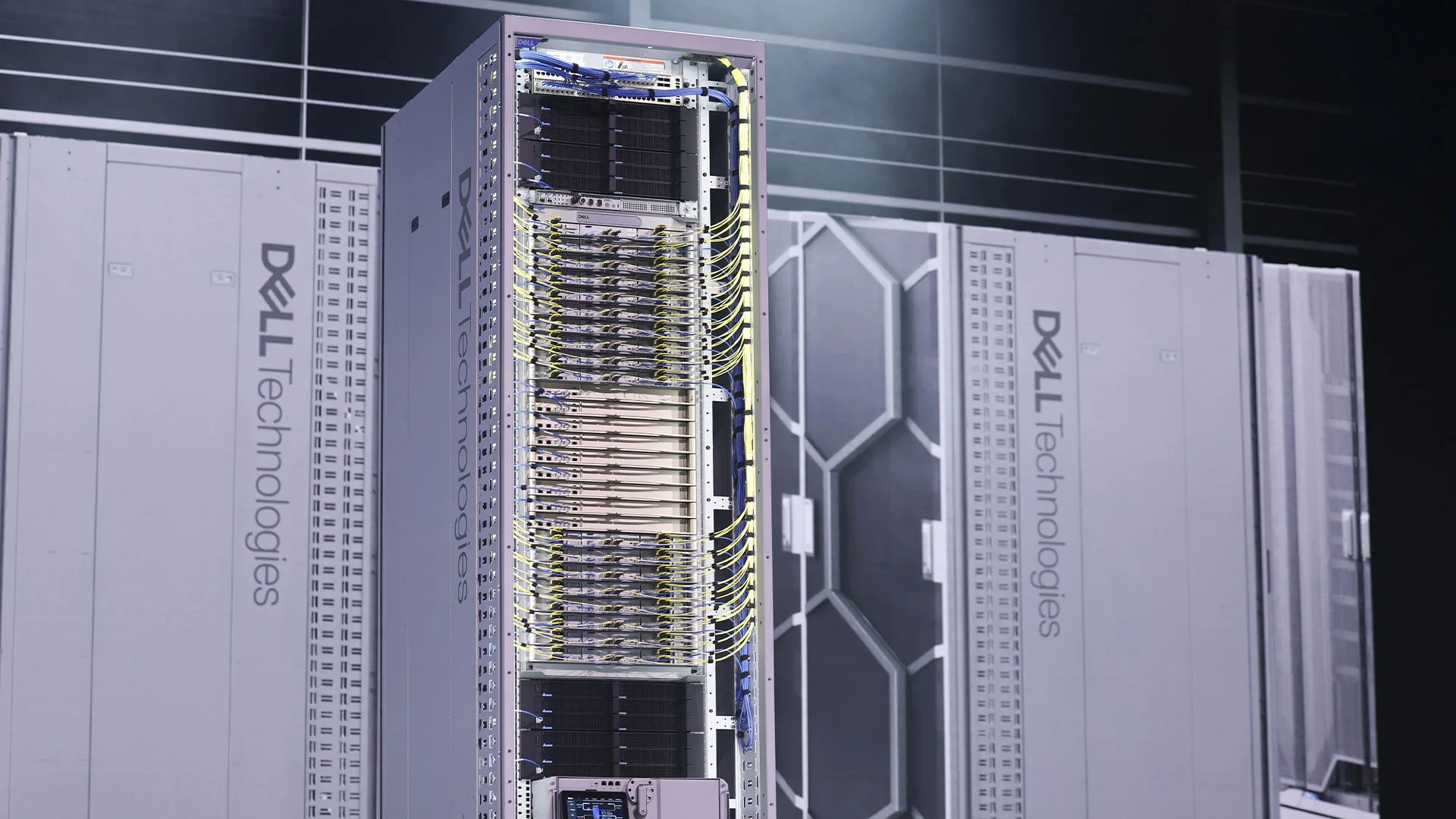
Dell gave investors the week's clearest demand signal when Fast Company tied its stock jump to AI server expectations rather than legacy PCs. The interesting number was $60 billion, the scale of AI server demand now shaping the company's outlook. That is no longer a hardware refresh cycle. It is a procurement race for the boxes, memory and services that turn enterprise AI from pilot to production.
The same pressure showed up in software and data. Channel Dive reported Snowflake's AWS agreement and acquisition push as part of a wider agent adoption play, while Reuters said Groq was targeting a $650 million raise after an Nvidia licensing deal. The signal for buyers is awkward but useful: AI budgets are splitting between model access, data control and specialist infrastructure. No single vendor pitch covers the whole bill.
Europe tried to answer with industrial depth. VentureBeat described Mistral's move into industrial AI and data centres, and Computing noted DeepSeek making price cuts permanent. Cheaper inference helps, but it doesn't remove the need for governed data, power planning or vendor due diligence. The winners will be the suppliers that can make AI capacity feel dependable, not just impressive on a demo stage.
Answer engines turned into a fight over traffic, money and trust
CNN's lawsuit against Perplexity made the publisher argument impossible to ignore. Silicon Angle reported the copyright claim as a fight over large-scale AI copying, but the commercial issue is broader than one defendant. If answer engines can satisfy the query without sending the reader back, publishers lose both traffic and proof that their reporting creates value.
Google was pulled into the same argument from two directions. eWEEK covered claims that AI Search can be tricked by fake web pages, while MediaPost tracked Google's attempt to scrap the search monopoly verdict. The market is watching a strange collision: regulators are still judging the old search business as the product itself turns into an answer layer.
Publishers are not waiting politely. Digiday reported six-figure AI licensing deals through Snowflake, evidence that media owners want machine-readable compensation models rather than hope. At the same time, The Register showed ChatGPT trusting browser content enough to turn a page into a payload. That is the buyer lesson in miniature. The answer economy needs rights, revenue and security controls at the same time.
Coding agents made the software supply chain feel newly exposed

The sharpest security stories were about trusted assistants becoming delivery routes. SecurityWeek covered the SymJack attack, which turned AI coding agents into a supply-chain delivery mechanism. Dark Reading added evidence that AI-assisted exploit development is moving faster than scanner detection. That combination should worry anyone putting agents near repositories, package managers or deployment pipelines.
The weak points were not exotic. Techzine reported a Starlette component flaw affecting AI platforms, while The New Stack focused on agents installing packages nobody owns. Modern development already depends on fragile chains of open-source trust. Adding autonomous code generation raises the volume of decisions, but it doesn't improve accountability unless teams add policy, provenance and review.
Security teams also had to absorb the human side of the same risk. Security Boulevard's read of Verizon's DBIR framed attackers as scaling AI while employees leak data through it. The best judgment this week is simple: agent adoption belongs on the CISO's roadmap before it belongs in the productivity deck. If an AI assistant can act, attackers will test what it can be persuaded to do.
AI governance moved from policy theory into professional liability

Illinois turned AI safety into a live legislative test. The Information reported the state's landmark bill, built around safety expectations and third-party audits. Whether that model travels or stalls, the direction is clear enough: buyers will increasingly ask vendors not only what the model can do, but who checked it and what evidence exists if something goes wrong.
The liability stories made that question less abstract. Forbes warned readers not to discuss legal problems with Claude or ChatGPT, and City AM used the Pinsent Masons case to show how hallucinated material can embarrass professional services firms in court. These are not fringe cases for highly regulated buyers. They are examples of AI slipping into advice, filing and evidence workflows before quality control catches up.
Research integrity had its own reckoning. The Decoder reported hallucinated citations entering papers that shape clinical guidelines, while NBC News covered fake academic journals publishing AI-generated papers under real professors' names. The lesson for B2B technology is harsh: if a product relies on citations, summaries or expert evidence, verification is now part of the product, not an after-sale assurance.
The AI labour story stopped sounding theoretical

Intuit put a hard workforce number on the week. TechDay reported a 17% cut as the company doubled down on AI, while CIO Dive found tech titans posting record revenues alongside layoffs. That is the tension buyers and employees can both see: the AI boom is creating growth, but not necessarily the same jobs in the same places.
Groupon and Wix made the operating model version of the story even plainer. Diginomica described Groupon using agentic AI after losing 25% of its workforce, and Fast Company covered Wix cutting 20% of jobs while citing AI. These examples are easy to dismiss as cost cutting until buyers ask the next question: what happens to service quality, institutional memory and accountability when software takes on the slack?
The better argument came from the workforce policy side. The Guardian covered calls for staff to have more say over AI so the benefits are shared rather than imposed. That is not a soft HR footnote. For enterprise vendors, adoption risk now includes trust inside the customer's own organisation. If workers see AI as something done to them, deployments will meet resistance long before procurement renews.
What the influencers are discussing

The creator discussion kept returning to discovery. Media Copilot framed AI search as "rewriting the rules of discovery", a useful phrase because it names the commercial shift without pretending the playbook is settled. Henk van Ess put it more sharply on LinkedIn: Google has rebuilt search to answer instead of point somewhere. For publishers, analysts and B2B brands, that changes the job from ranking pages to earning inclusion in answers, with public proof structured well enough for machines to lift and cite.
Marketing operators were already turning that anxiety into process. HubSpot Marketing pushed its State of AEO report around how customers use AI search, while Kipp Bodnar and Kieran Flanagan tested Google's rebuilt search as a practical fix-this-week problem. The strongest creator takes were not selling magic tricks. They were asking whether a brand has structured proof, cited expertise and enough third-party credibility for machines to trust it. That is a communications job, but it is also a product-marketing and data hygiene job.
The agent thread had a harder edge. Jason M. Lemkin's Replit discussion sat in the camp that sees agents becoming part of how SaaS teams actually run, especially across go-to-market work. David Linthicum supplied the counterweight, arguing that enterprises struggle when hype beats tangible outcomes. Both can be true. Agents can change the cost base, but only where the workflow is legible enough to hand off. The more interesting divide was not believers against sceptics. It was operators asking where autonomy already works, and architects asking what has to be fixed before it spreads.
LinkedIn itself became part of the story. Richard van der Blom said thousands of older posts were removed as a new AI moderation system targeted low-quality content. That matters because professional networks are becoming evidence sources for answer engines and sales research. If the feed fills with synthetic filler, it gets less useful for humans and less reliable for machines. The creator economy is learning the same lesson as enterprise software: automation without trust becomes noise, and noise is now a commercial liability rather than a harmless side effect.
The unresolved thread is control. Buyers want the savings, speed and new channels that AI promises, but the week showed every gain arriving with a harder question attached. Who funds the compute? Who owns the answer? Who verifies the citation? Who signs off when an agent changes code or cuts headcount? The next phase of B2B tech will not be won by the loudest launch. It will be won by the vendors that can make those questions boring enough for procurement, legal and security to accept.
References
- (Fast Company, "Why Dell Technologies stock is on fire today, and why it doesn’t have a whole lot to do with legacy PCs")
- (Channel Dive, "Snowflake targets AI agent adoption with AWS deal, acquisition")
- (Reuters Technology, "Groq targets $650 million fundraise after Nvidia licensing deal, Axios reports")
- (VentureBeat, "Mistral AI launches Vibe, expands into industrial AI and announces data center push to challenge OpenAI")
- (Computing, "DeepSeek makes price cuts permanent - Asian Tech Roundup")
- (Silicon Angle, "CNN sues Perplexity alleging ‘massive’ copyright infringement")
- (eWEEK, "Google’s AI Search Can Be Tricked by Fake Web Pages")
- (MediaPost, "Google Petitions Appeals Court To Scrap Search Monopoly Verdict")
- (Digiday, "Publishers quietly cut ‘six-figure’ deals via Snowflake’s AI licensing platform")
- (The Register, "ChatGPT blindly trusts browser content, turning the page into a payload")
- (SecurityWeek, "‘SymJack’ Attack Turns AI Coding Agents Into Supply Chain Attack Delivery Systems")
- (Dark Reading, "AI-Assisted Exploit Development Outpaces Scanner Detection")
- (Techzine, "Vulnerability in open-source component puts AI platforms at risk")
- (The New Stack, "“There is no accountability”: AI coding agents are installing packages no one owns")
- (Security Boulevard, "The AI Governance Gap: Verizon’s 2026 DBIR Shows Attackers Scaling AI While Employees Leak Data Through It")
- (The Information, "Illinois Legislature Passes Landmark AI Safety Bill")
- (Forbes, "New AI Warning: Don’t Discuss Your Legal Problems With Claude Or ChatGPT")
- (The Decoder, "AI-hallucinated citations are creeping into papers that shape clinical guidelines, researchers warn")
- (NBC News, "Fake academic journals are publishing AI-generated papers under real professors’ names")
- (City AM, "Pinsent Masons is not the only City law firm walking a dangerous AI tightrope")
- (TechDay US, "Intuit cuts 17% workforce as it doubles down on AI")
- (CIO Dive, "Tech titans break revenue records amid deep workforce cuts")
- (Diginomica, "Why Groupon is betting on agentic AI picking up the slack left by losing 25% of its workforce")
- (Fast Company, "Wix layoffs today: Tech developer is the latest to cut 20% of jobs while citing AI")
- (The Guardian, "Give staff more say over AI to ensure they share benefits, UK thinktank urges")
- (Media Copilot, "How AI search is rewriting the rules of discovery")
- (HubSpot Marketing, "State of AEO report on AI search visibility")
- (Henk van Ess, "Google rebuilt Search to answer instead of point")
- (Kipp Bodnar and Kieran Flanagan, "I Tested Google’s Rebuilt Search")
- (David Linthicum, "Enterprises struggle when AI hype beats outcomes")
- (Jason M. Lemkin, "How SaaStr is running with agents in 2026")
- (Richard van der Blom, "LinkedIn rolled out a new AI moderation system")